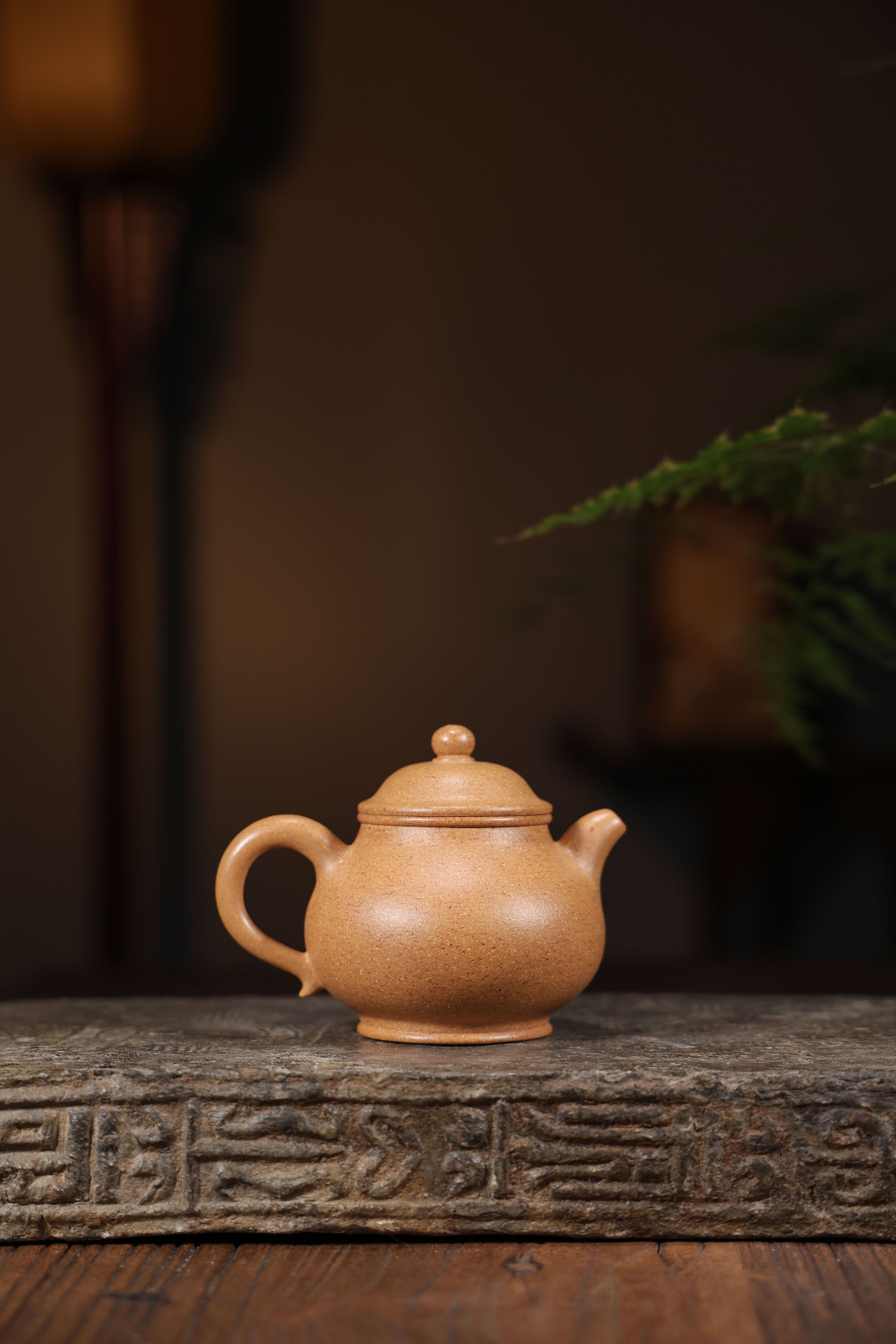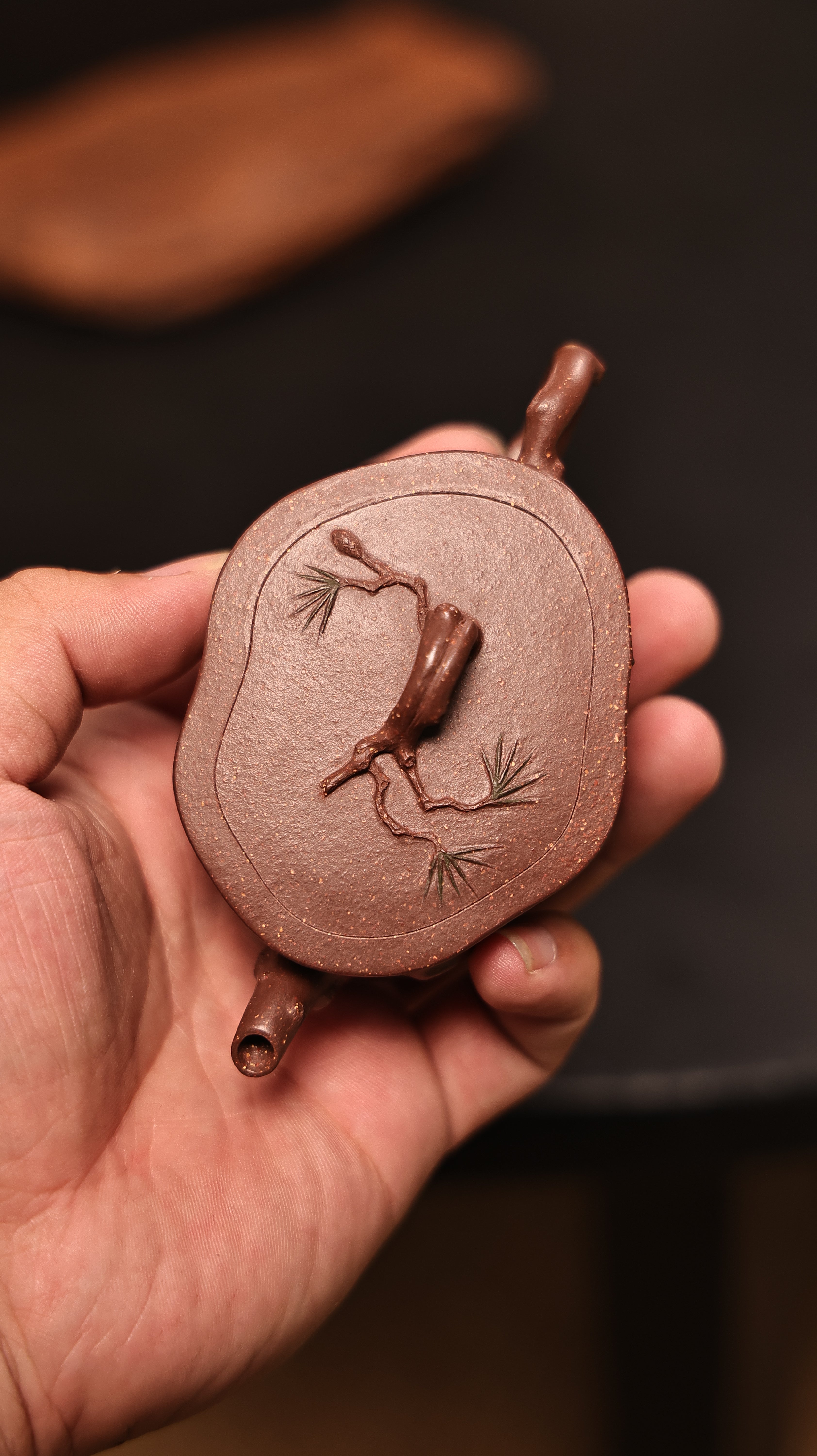
Embarking this in-depth survey of Eysing Tzu Sha porcelain pots introduces exclusive enchanting blend of artistry alongside utility.
Ihsing Zi Sha clay pots enjoy a unparalleled magnetism among collectors around the planet. Those extraordinary earthenware containers, sourced from the distinct Yihsing locale inside Jiangsu area, China, serve as more than just tea apparatus; they are viewed as works of beauty and legacy significance. Unique finely selected clay, known under the name Zisha, imparts a delicate flavor to the tea, and the stylized designs, often exemplifying traditional Chinese symbols, enhance their inherent value. Gaining a genuine Yixing Zisha teapot constitutes a delightful journey, requiring careful inquiry and an knowledge of the several factors influencing the exclusivity.
Examining Yixing Teapots
Issing earthenware pots boast a fascinating record deeply interwoven with Chinese traditions. Originating in Yixing, Jiangsu region, these pitchers are crafted from a unique, porous purple soil found only in that specific location. Their advancement began during the Ming period, with master creators refining the skills over generations. Diverse types are available, including the classic Hexiang (resembling crab shells), Zhuni (red-brown hue), and Duan Ni (stone-studded) – each with distinctive attributes. Purple Clay Teapot The importance of an Yixing teapot isn't solely based on its size or finishing, but also on the artist’s reputation, the element's quality, and the pottery’s age and condition. Collectors often seek out older examples, believing they accumulate the flavor of the drink brewed within them over time, further adding to their reputation.- Original Pots
- Coppery Pots
- Granite-Dusted Pots
Zisha Teapot Mastery: Handiwork & Methods
An creation of Zisha teapots represents a apex of Chinese ceramic technique. Experienced artisans employ longstanding techniques, often passed down through families, to unlock the full essence of this unique clay. Practices involve meticulous molding by hand, often combined with the wrapping method, followed by precise kilning at incredibly elevated temperatures in wood-fired kilns. Beautifying is equally crucial; producers utilize intrinsic clay colors and may incorporate incising work to depict intricate scenes or patterns, demonstrating a profound understanding of the material’s characteristics and presence. The conclusion teapot isn't merely a vessel for tea, but a testament to a significant cultural lineage.
Traditional Teapots: The Summary to Yihsing 紫砂
Investigating the world of Traditional teapots generally starts with Yixing Zisha. These exceptional clay ceramics are formed from a specific type of clay located only in the Yixing region of Jiangsu Province province. Recognized for its typical reddish-purple hue and exceptional properties, Zisha clay gives a nuanced flavor to the brew and improves with age, growing into a cherished artifact. Curating Yixing Zisha ceramics is more than just possessing a lovely object; it’s a commemoration of custom and skill.
Delving into that Earthenware: Origination & Elevation
Starting the environment of Yixing Zisha creations can be remarkably beneficial, but obliges a meticulous judgment. Accuracy is imperative; abundant reproductions occur, habitually artfully constructed. Becoming knowledgeable about old-fashioned cooking practices, defining soil features, and the signatures of reputable manufacturers is fully essential. Besides, comprehending the details of the value swing – influenced by conditions such as heritage weight and the state of the piece – is fundamental to fruitful collection.
- Researching tempering heritage.
- Engaging experts for attestation.
- Evaluating sales behavior.
This Skill of Brewing with a Ceramic Brewer
This original allure of a Zisha equipment lies not just in its exquisite appearance, but also in its distinguished impact on the savor of the beverage. These vintage clay earthenware, sourced from specific regions of China, possess a native porosity that subtly interacts with the drink and leaves, imbuing the beverage with a delicate character. Mastering the practice requires a mindful approach, understanding how the mineral responds to diverse thermodynamics and foliage types, ultimately leading to a truly rewarding tasting experience.
Upkeeping The Possession
Proper maintenance of your Yixing pot is vital to securing its lifespan. These extraordinary teapots, crafted from distinctive Yixing clay, build up a patina over periods that elevates their importance. Sometimes rinse the body with filtered water, avoiding detergents, and never use rough scrubbing tools. Occasional gentle rubbing with a silky cloth can assist in taking off patches. Allow your vessel to totally dry before each serving
Interpreting Zisha: Reasons The Teapots Stand for Rare
The renowned appeal of Yixing teapots lies within the characteristic properties of Stoneware clay, located solely near Yixing, the Yixing district. This favorable clay, a type of ferruginous clay , displays a remarkable combination of compounds that, through use, soak up the bouquet of the elixirs it holds. This leads to a unique scent for each ceramic pot, ensuring it a value far more than its primary price and aiding to their admired status among experts.
Hunting for the Perfect Sinocentric Brewing Pot: A Purple Clay Handbook
Venturing into the world of Yixing clay teapots can feel intimidating, but understanding the foundations is necessary to acquiring a coveted piece. This model of clay, sourced largely from Yixing, the province of Jiangsu, is famous for its special feel and ability to enhance the taste of the infusion over years. Consider the shape, the color, and the overall aesthetic; a valid Zisha teapot is more than just a canister; it's a finely crafted object and a illustration of classic culture. Search for the stamp of the craftswoman for clues to its background and potential importance.