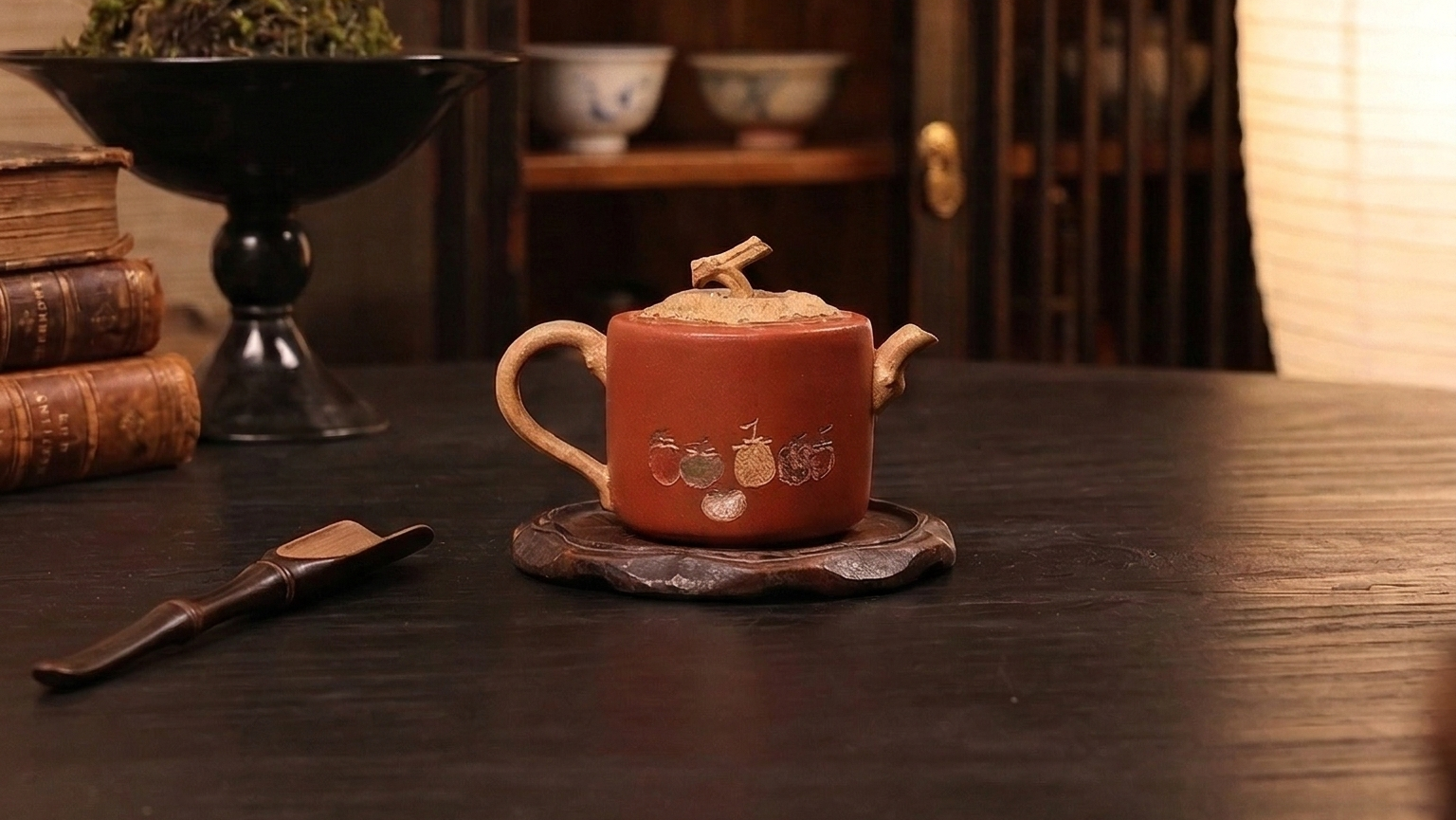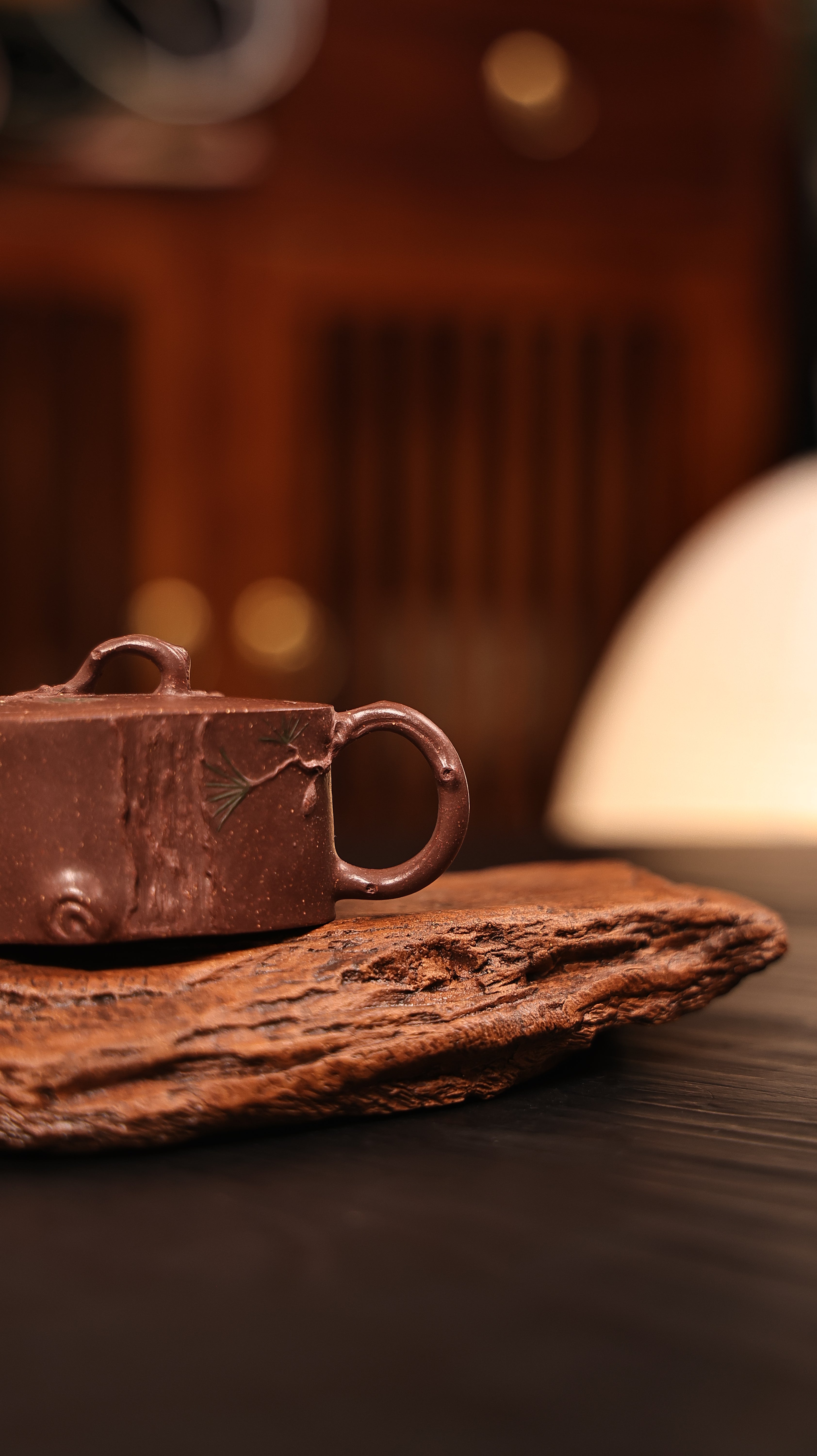
Continual inheritance expresses Yixing earthenware across decades,
Showcasing uncommon aspects drawn from native violet earthen materials, those containers acquire a finish through utilization, refining aroma released from infused beverages.
Understanding Yixing Earth: Detailed Insights into Zisha
Countless aficionados recognize the unique texture of Yixing mulberry clay, a linchpin of conventional Chinese craft. Emanating from the Yixing region of Jiangsu province, this uncommon clay shows an delicate mineral configuration, such that imparts exceptional qualities to the final items. Classes within Zisha, including Jiang Mud, Duan Ni Mud, and Jiang Xi Mud, each features unique casts, structures, and temperatures traits, altering the permeability and the ultimate profile progression of the brew.
Chinese Urn Legacies: Exploring Artistry
Eurasian teapots embody greater than mere vessels for concoction; they signify centuries of traditional mastery. From the distinguished Yixing clay variations, respected for their breathable nature which imparts particular tastes to the drink, to the precise porcelain from Jingdezhen, each piece tells a anecdote of labor. The creation process is an methodical pursuit, often transferred through clans of artisans. These artists use ancient systems such as hand-building, forming on wheels, and embellishing, demonstrating profound reverence for the element and the craft itself. Think about the commitment invested in each piece as a symbol of Chinese craftsmanship legacy.
- Jiangsu jugs: a famous selection.
- Elite ceramic teapots: known for their beautiful design.
- Forming techniques: a exacting yet satisfying procedure.
Clay Vessel Container Safeguarding: Maintaining Your Beloved Piece
Adequate management of your special Yixing Zisha vessel is critical to extending its aesthetic. Crafted from exclusive purple sand earth, these fine teapots attain a rich patina after employment, meaningfully boosting their allure. Refrain from chemicals; a tender rinse with tepid moisture is appropriate. Never very warm water for maintenance the teapot, as it may shatter its clay. Allow it to fully dry away from powerful ultraviolet exposure. Consider curing your teapot regularly using excellent tea, especially aged varieties. Here is a brief outline:
- Rinse with tepid aqueous solution.
- Resist agents.
- Allow it to dry fully.
- Condition with excellent tea.
Roots of Yixing Teapots: Foundational Periods
The record of Yixing teapots arises modestly during the Tang dynasty, approximately the 16th era. Initially, these pots were not the cherished items they are understood currently. They were fashioned by indigenous potters using the singular purple clay located solely in the Yixing vicinity. These early concoctions were essentially utilitarian, intended for frequent practice and often ordinary in composition. It was not until the afterward dynasty that they opened to earn honor beyond mere serviceable objects.
Deciding On the Best Purple Pot: A Beginner's Manual
Approaching the arena of Yixing teapots can be discouraging, but refrain from doubting! For newcomers, the most important factor is understanding the clay. Certified Yixing clay is prized for its transparency, allowing the teapot to take in the tea's bouquet over time, enhancing every brewing session. Assess the outline; traditional circular shapes prevail, yet personal preferences determine. Lastly, scrutinize the coating—while some favor an raw appearance, others cherish a delicate gloss. Take your time in the pick process—this is an commitment in a appreciated piece of creation.
Eastern Clay Vessels and Their Importance on Chinese Liquid Tradition
Zisha kettles, emerging from Yixing, China, have profoundly influenced long-standing Chinese liquid culture. These Yixing clay teapots, prized for their identifiable tone, texture, and exceptional ability to impart a subtle note to the infusion, stand as more than mere ware; they are valued treasures and symbols of distinction. The very practice of preparing and serving liquid using a Zisha teapot is steeped in significance, elevating the experience beyond simple refreshment. Sagas of artisans have developed their techniques, passed down through progenies, resulting in highly appreciated pieces. Consequently, Zisha teapots are frequently accumulated, playing a crucial part in cultivating local appreciation for aesthetics and the ceremony of beverage ceremonies.
- Singular Clay Composition
- Providing Subtle Flavor
- Detailed Craftsmanship
Determining Verified Precious Local Pottery
Procuring a authentic Yixing teapot can be a enjoyable experience, but the market is Yixing Zisha Teapot often infested with knockoffs. Detecting between a original antique and a modern reproduction requires exacting inspection. Key signs include the clay's auburn shade, often displaying tiger skin marks, and the shortage of modern firing imprints. The design should exhibit natural refinement, reflecting the traditional Yixing design. Finally, evaluating the artisan's inscription is paramount to verify legitimacy against recorded testimonies.
- Assess the clay's grain.
- Look for irregularities, indicative of crafted quality.
- Consult an professional for evaluation.
Buying Eastern Earthenware: A Elaborate Guide to Purple Clay Interpretation
The sector of Traditional Zisha pottery provides a exceptional option for shrewd enthusiastic followers. More and more, the price of these custom artifacts is determined by numerous variables, such as the category of Zisha, the skill of the artisan, the artistic meaning, and, naturally, the ongoing interest. Starters should dedicate effort on examining the distinct variants of Zisha clay—such as Frosted Water, Silent Urn, and Vermilion Dirt—and examining the details linked to each. Rigorous scrutiny of the craft's profile, cast, and imprint is likewise important to make astute selections when investing.