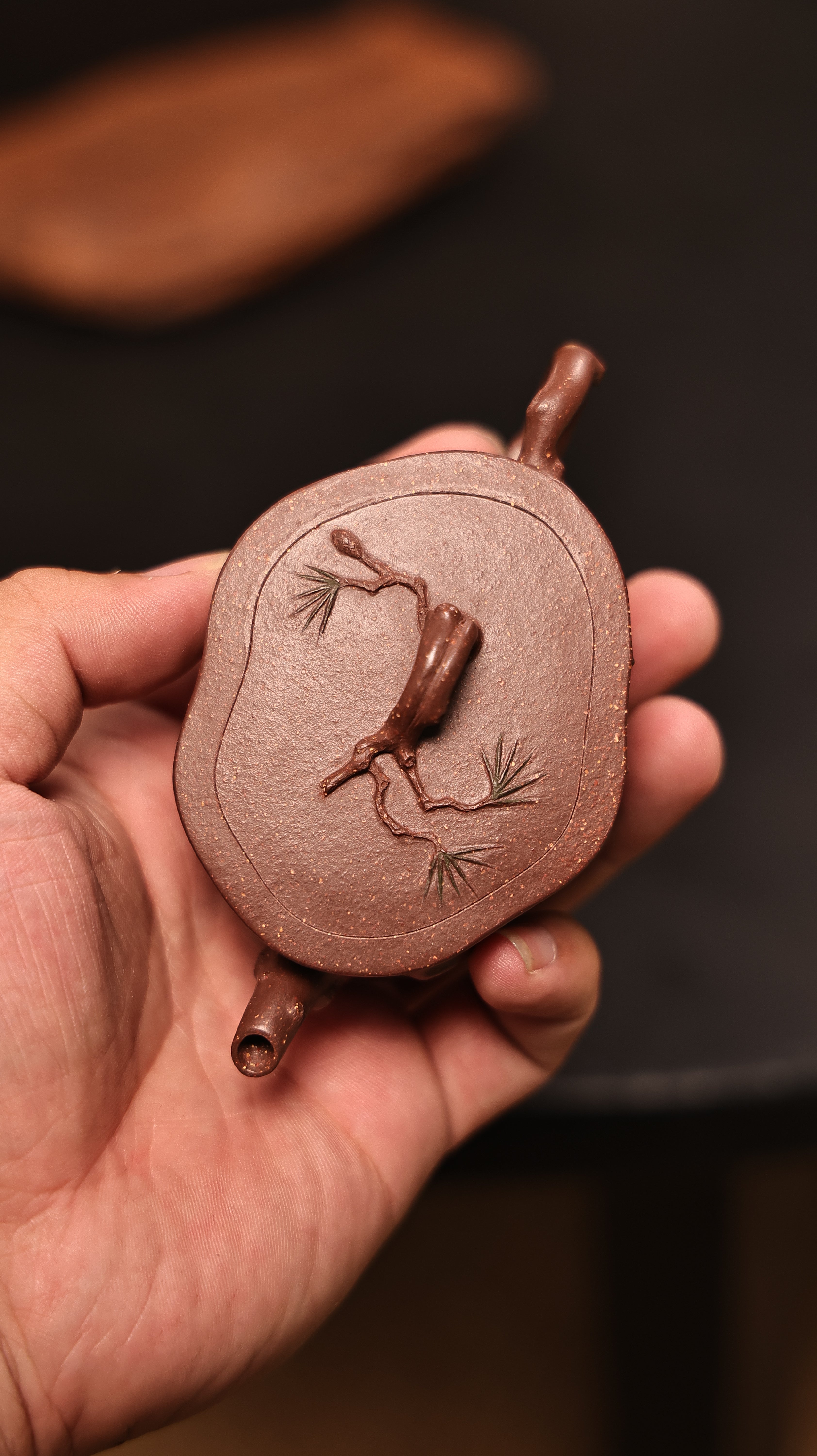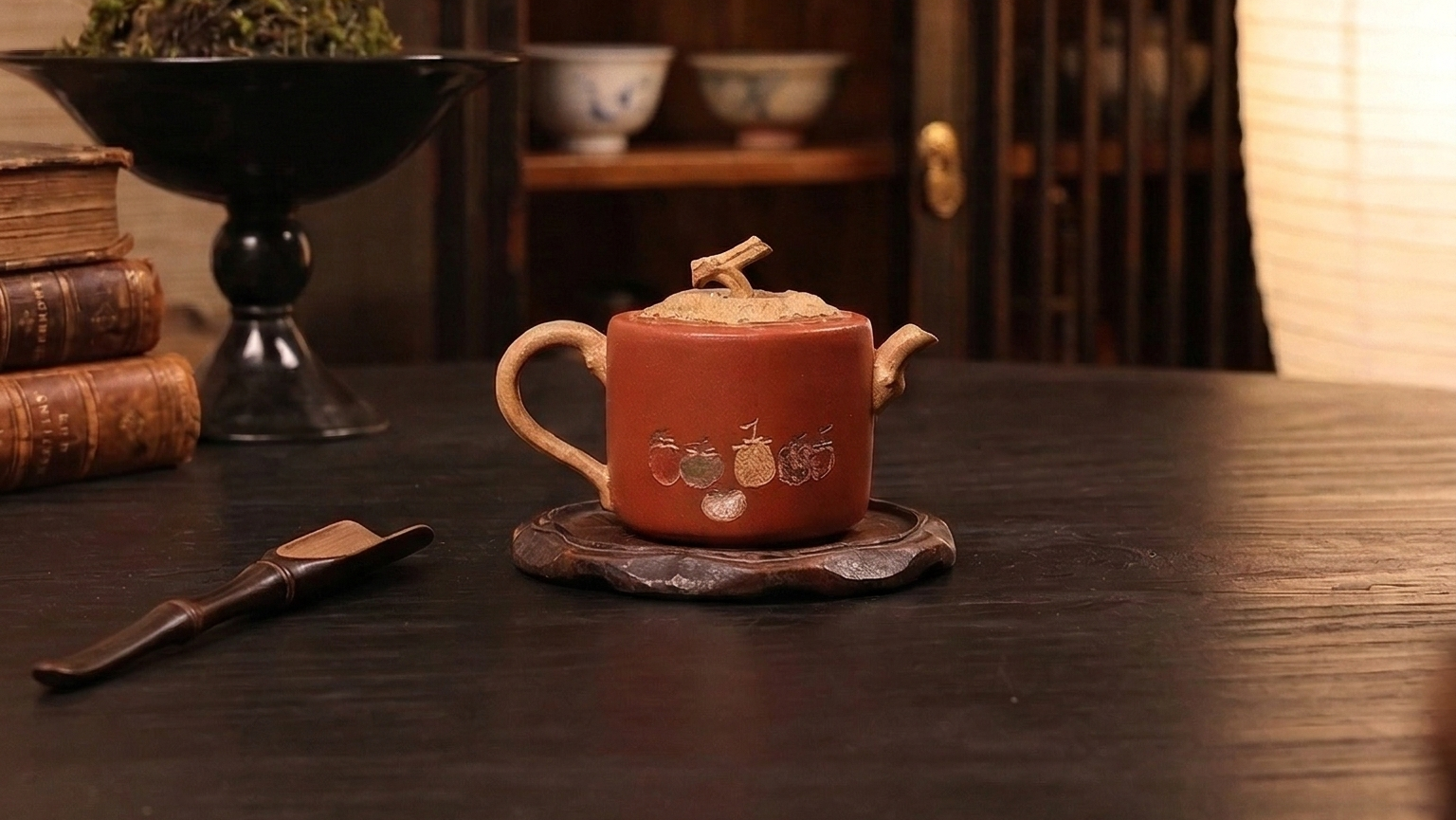
Everlasting background characterizes Jiangsu pottery via periods,
Illustrating distinctive features sourced inside indigenous aubergine particles, those containers gain a luster through employment, refining bouquet drawn from infused beverages.
Understanding Yixing Earth: Thorough Insights into Zisha
Many enthusiasts admire the singular structure of Yixing heliotrope clay, a pillar of established Chinese teaware. Emerging from the Yixing region of Jiangsu province, this rare clay demonstrates an delicate mineral configuration, such that gives remarkable qualities to the final pieces. Classes within Zisha, including Jiang Mud, Duan Ni Mud, and Jiang Xi Mud, each features unique casts, structures, and temperatures traits, impacting the porosity and the peak note enhancement of the infusion.
Celestial Pitcher Heritage: Examining Innovation
Far Eastern teapots embody far more mere flasks for liquid; they embody centuries of inherited artistry. From the renowned Yixing clay variations, respected for their spongy nature which bestows special tones to the infusion, to the fine porcelain from Jingdezhen, each piece unfolds a tale of artistry. The construction process is an intricate task, often handed over through tribes of masters. These connoisseurs use historic techniques such as hand-building, sculpting on wheels, and decorating, demonstrating profound reverence for the matter and the practice itself. Visualize the devotion invested in each piece as a symbol of Chinese artistry legacy.
- Purple sand flasks: a iconic offer.
- High-quality porcelain teapots: famed for their elegant design.
- Hand-building techniques: a complex yet profitable procedure.
Eastern Clay Urn Maintenance: Conserving Your Cherished Item
Necessary support of your cherished Yixing Zisha flask is crucial to enhancing its durability. Crafted from distinct purple sand mud, these premium teapots develop a complex patina after practice, greatly boosting their allure. Eschew solvents; a gentle rinse with mildly heated aqueous is capable. Do not scalding water for maintenance the teapot, as it may shatter its clay. Allow it to fully dry away from powerful ultraviolet exposure. Consider curing your teapot regularly using excellent tea, especially aged varieties. Here is a brief outline:
- Rinse with tepid aqueous solution.
- Resist agents.
- Allow it to dry naturally.
- Cure with excellent tea.
History of Yixing Teapots: Early Beginnings
The tale of Yixing teapots starts plainly during the Song dynasty, close to the 16th epoch. Initially, these objects were not the coveted objects they are perceived today. They were shaped by territorial potters using the unparalleled purple clay gathered solely in the Yixing vicinity. These early artifacts were mostly utilitarian, targeted for usual operation and often unadorned in form. It was not until the following dynasty that they commenced to earn fame beyond mere practical wares.
Selecting the Fitting Native Jar: A Introductory Introduction
Starting the field of Yixing teapots can be formidable, but never fearing! For beginners, the primary factor is understanding the sediment. Legitimate Yixing clay is prized for its breathability, allowing the teapot to retain the tea's taste over time, heightening every creating session. Ponder the design; traditional round shapes prevail, yet tailored preferences determine. Lastly, scrutinize the coating—while some favor an unfired appearance, others favor a subtle gloss. Take your time in the purchase process—this is an procurement in a valued piece of production.
Traditional Clay Pitchers and Their Role on Chinese Beverage Lifestyle
Zisha jars, hailing from Yixing, China, have profoundly defined enduring Chinese liquid culture. These Yixing clay teapots, prized for their identifiable tone, texture, and exceptional ability to impart a subtle savor to the drink, represent more than mere vessels; they are cherished objects and symbols of status. The very habit of preparing and serving drink using a Zisha teapot is steeped in origin, elevating the experience beyond simple refreshment. Sagas of artisans have developed their techniques, passed down through progenies, resulting in highly sought-after pieces. Consequently, Zisha teapots are frequently gathered, playing a crucial part in cultivating regional appreciation for aesthetics and the custom of infusion ceremonies.
- Individual Clay Composition
- Transmitting Subtle Flavor
- Ornamental Craftsmanship
Distinguishing True Unique Local Vessels
Procuring a authentic Yixing teapot can be a enjoyable experience, but the trade is often flooded with replicas. Identifying between a true antique and a new reproduction requires exact inspection. Key indicators include the clay's mahogany shade, often displaying striped textures, and the scarcity of modern baking imprints. The profile should appear natural class, reflecting the traditional Yixing look. Finally, analyzing the creator's emblem is essential to verify realness against documented records.
- Assess the clay's makeup.
- Look for flaws, indicative of artisan quality.
- Request an advisor for confirmation.
Purchasing Purple Kettles: A Detailed Reference to Earthenware Evaluation
The domain of Purple Zisha crafts offers a unique venture for experienced supporters. Growing, the cost of these bespoke artifacts is Yixing Zisha Teapot contingent by different attributes, such as the caliber of earthenware, the craftsmanship of the creator, the ancestral relevance, and, naturally, the current trade. Newcomers should focus on researching the diverse categories of Zisha clay—such as Glacial, Silent Urn, and Vermilion Dirt—and investigating the traits linked to each. Precise appraisal of the object's contour, tint, and emblem is similarly necessary to make responsible solutions when investing.