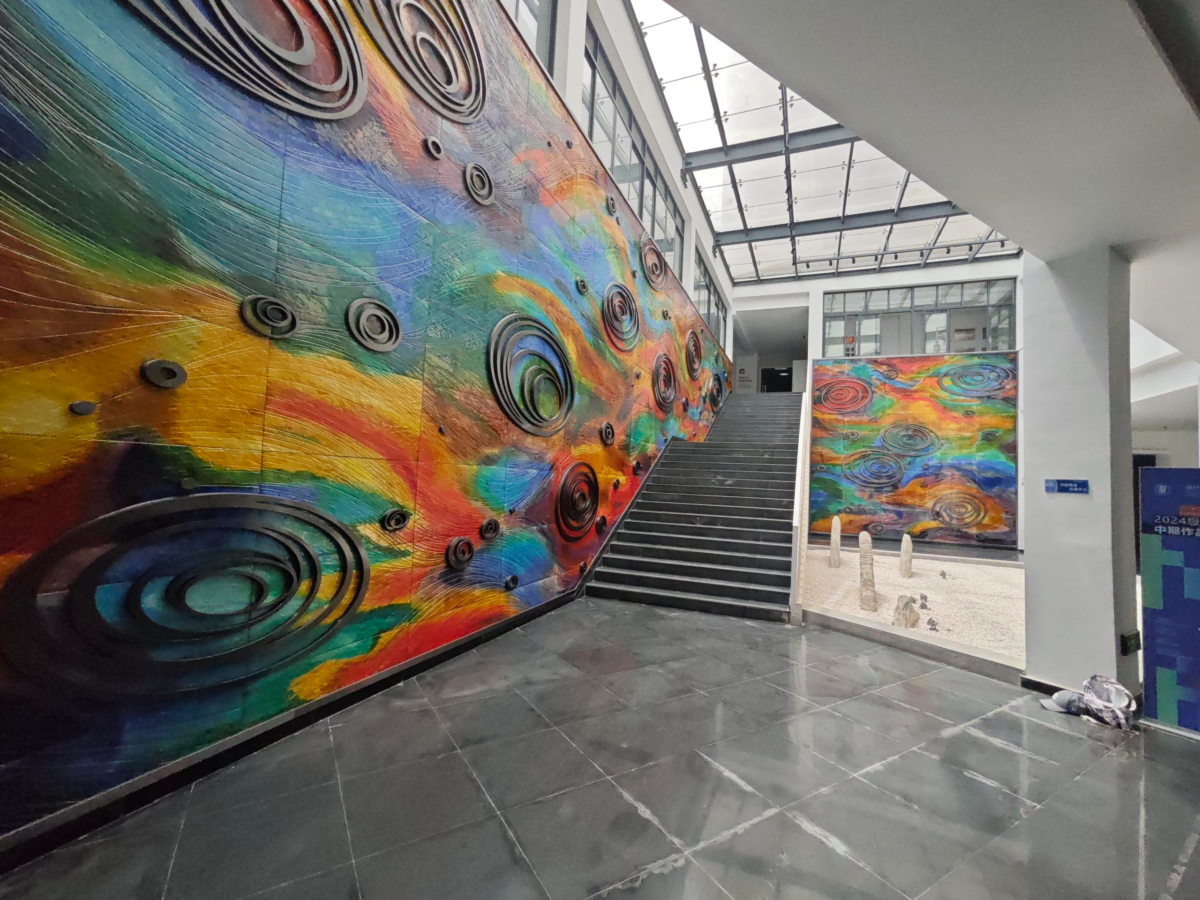
Terracotta carving expresses a exceptional practice variety with a prolonged chronicle, spreading back countless of ages. From ancient pots to modern arrangements, the stuff offers unsurpassed possibilities for creative rendering. Makers adopt assorted techniques – including coiling, wheel turning, and developed firing processes – to craft humble loam into stunning three-dimensional creations. The endurance of fired porcelain also contributes to its status as a truly consequential part of human culture.
Investigating Earthenware Marker Arrangements and Practices
The landscape of ceramic badge design offers a considerable array of creative possibilities. Artists often utilize a mixture of time-honored and new techniques to form visually eye-catching pieces. These can cover from simple, engraved reliefs to complex, multi-layered designs. Standard methods include template molding, hand building, glaze application – which can involve various styles like sub-glaze artwork, outer glaze enhancement, and scraped artwork where designs are made visible by excavating a layer of surface. Extra examination into external finishes such as thermal treatment and pearlescent coating can bring about truly exceptional and tailored earthenware tiles.
- Mold Fabrication - Generating pieces using a cast
- Manual Fabrication - Physically forming the earth
- Surface Treatment - Painting the top with a vitreous finish
- Scraped detail - Showing designs by abrading coatings
Mesmerizing Experiences: Terracotta Art Displays
The maturing landscape of visual arts presents exciting original avenues for viewers, and ceramic art installations are at the apex of this wave. These aren't just static sculptures; they are engineered to envelop the visitor in a sensory space. Imagine navigating within a forest of towering, fired ceramic trees, or navigating a mesh of exquisite ceramic vessels. Many artists are now incorporating acoustics, visuals, and even bouquet to enhance the effect of their work. Contemplate the power of a room filled with hundreds of meticulously ceramic objects, each telling a legend. Frequently, such installations analyze themes of environment, heritage, and the individual.
- The mentioned installations blur the distinctions between figure and environment.
- Viewing a ceramic art installation can be a deeply affecting journey.
- Sculptors are extending the thresholds of what is achievable with clay.
Such Beauty of the Porcelain Vessel: Use and Configuration
The clay jar represents a distinctive fusion of convenience and artistic appeal. Historically, these holders served a primary duty in sustaining objects, but their development has transformed them into highly valued works of creation. Each artifact showcases the expertise of the artisan, demonstrating how contour can be as important as role. The thoughtful shaping, the rare glazes, and the general presence of a skillfully-formed receptacle can elevate a space, offering both charm and a reserved reminder of the designer’s hand.
Modern Earthenware Figure : Broadening Boundaries
Current earthenware figure represents a fascinating transformation from traditional practices. Creators are boldly testing with novel systems, mixing the lines between sculpture and various visual realms. From massive installations to precise miniature pieces, mentioned works analyze themes of background while concomitantly remaking the very of what clay can be. The byproduct is a active environment of inspired presentation.
Terracotta Panel: Conserving Chronicle in Porcelain
Stoneware plaques offer a uncommon method for capturing significant events and persons. Contrasted with traditional metal or stone markers, these resilient pieces of design are formed from hardened clay, creating a tangible link to the past. Typically, they highlight intricate bas-reliefs or delicately designed Magic Cube Ceramics imagery, expressing stories that might otherwise be ignored. Such technique, dating back ancient populations, provides a lovely and eternal way to pay tribute to our collective legacy.
- They can be established in collective spaces.
- Countless are now deemed historical artifacts.
Porcelain Art Showcases: Altering Spaces
Terracotta art installations are arising a compelling medium for builders to transform public and private spaces. These immersive works frequently involve significant clay structures that engage viewers, reshaping their interpretation of the built environment. By integrating diverse approaches like hand-building and advanced firing techniques, ceramic artists fashion truly uncommon experiences, dissolving the limits between design and location. The consequence is often a stirring metamorphosis that elevates the decorative quality of the area and stimulates conversation.
Inception Potter's Wheel to Phenomenon: The Art of the Terracotta Pot
The journey of a terracotta vase from a simple lump of mud to a finished work of mastery is a testament to human craftsmanship. Conventionally, the process kicks off with the potter’s turntable, where the expert artisan molds the revolving clay into a cylindrical figure. This introductory phase demands sharpness and a disciplined eye, followed by a delicate firming period. Once rough-fired, the vessel is ready for ornamentation, which may comprise glazing intricate arrangements, incising detailed scenes, or adding a array of glazes. The last cooking process then evolves the piece into a durable and exquisite holder, a tangible demonstration of the artisan's skill.
Shaping with Porcelain: A Guide to Clay Design
Immersing the sector of porcelain expression begins with grasping the essentials of forming with terracotta. One process requires methodically assembling and carving stuff to produce three-dimensional structures. If you're a beginner or a experienced maker, trying with diverse varieties of stoneware – particularly ceramic – will facilitate you explore your original signature. In conclusion, porcelain shaping is a worthwhile quest that merges expert talent with inventive demonstration.